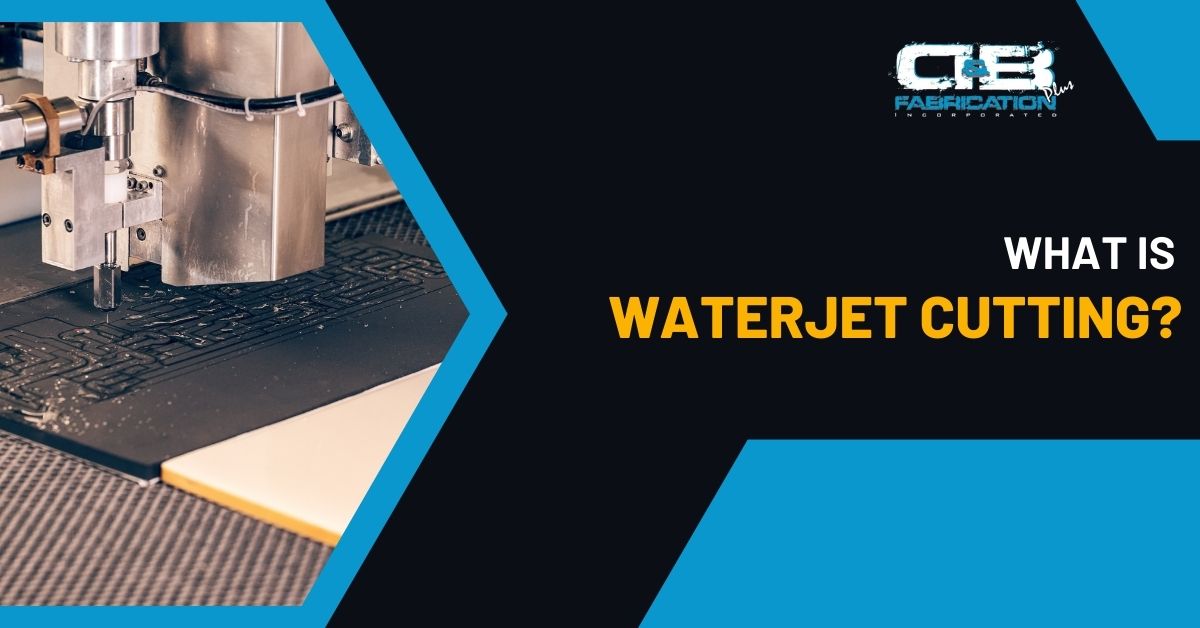
Waterjet cutting has become a go-to manufacturing process for industries ranging from aerospace to custom sign fabrication. Known for its precision and versatility, this method uses a high-pressure stream of water—sometimes combined with abrasive particles—to slice through a wide variety of materials without generating heat. But if you’ve ever wondered what is waterjet cutting and why it’s so widely used, this guide will take you from the basics to advanced applications.
A Brief History of Waterjet Cutting
The concept of cutting materials with water dates back to the early 20th century when miners used high-pressure water streams for hydraulic mining. The modern form of waterjet cutting, however, emerged in the 1970s when advancements in high-pressure pump technology made it possible to cut softer materials with pure water.
By the 1980s, researchers discovered that mixing abrasive particles—such as garnet—into the water stream allowed the process to cut metals, stone, and other hard materials with exceptional accuracy. Since then, continuous improvements in CNC (Computer Numerical Control) systems, cutting head design, and software integration have made waterjet cutting one of the most precise and adaptable fabrication techniques available.
How Waterjet Cutting Works
Waterjet cutting is fundamentally a mechanical erosion process. Here’s what happens step-by-step:
- High-Pressure Pump – Industrial waterjet machines use intensifier or direct-drive pumps to pressurize water up to 60,000–90,000 psi (pounds per square inch).
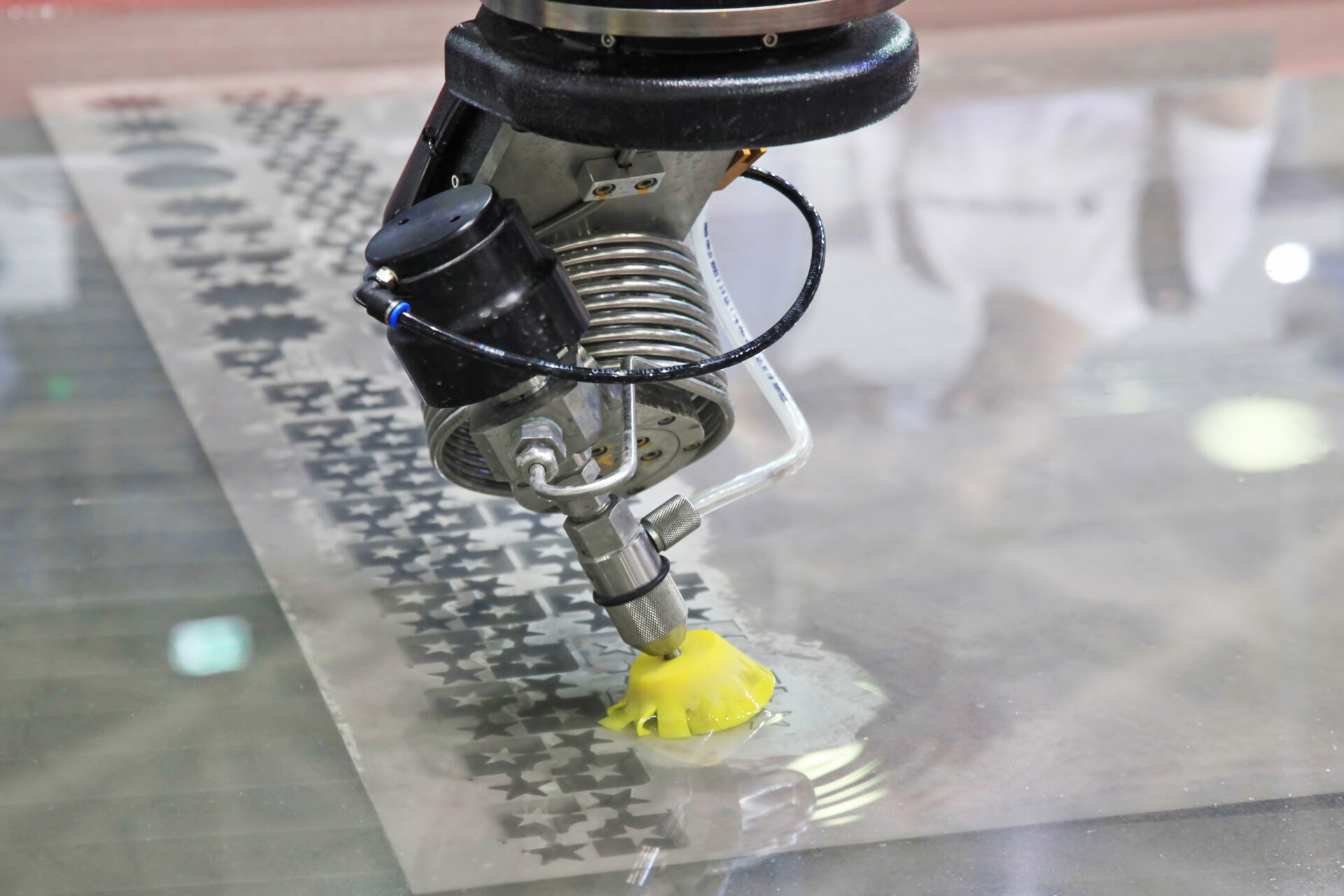
- Cutting Head – The pressurized water travels through high-pressure tubing into a small sapphire, ruby, or diamond orifice in the cutting head.
- Pure Water or Abrasive – For softer materials like rubber or foam, only water is used. For harder materials, an abrasive hopper injects garnet particles into the water stream.
- CNC Control – A computer-guided system moves the cutting head along a programmed path, ensuring precise shapes, tolerances, and kerf widths.
- Cutting Table and Catcher Tank – The stream exits the material into a water-filled catcher tank that absorbs the energy, preventing excessive splash or rebound.
Types of Waterjet Cutting
There are two main categories of waterjet cutting, each suited for specific materials and applications.
1. Pure Waterjet Cutting
- Best For: Foam, textiles, food products, cardboard, plastics
- How It Works: Uses only high-pressure water without abrasives
- Advantages: No material contamination, extremely clean cuts
2. Abrasive Waterjet Cutting
- Best For: Metals, ceramics, composites, stone, glass
- How It Works: Garnet abrasive is mixed into the water stream just before it exits the nozzle
- Advantages: Cuts through tough materials up to several inches thick with high precision
Advantages of Waterjet Cutting
The growing popularity of waterjet cutting comes from its wide range of benefits, especially compared to other cutting methods.
- No Heat-Affected Zone (HAZ) – Unlike plasma or laser cutting, waterjet cutting does not generate heat that can alter a material’s molecular structure.
- Exceptional Precision – Tolerances as tight as ±0.001 inch are possible with advanced systems.
- Material Versatility – Cuts virtually anything from titanium to tempered glass.
- Environmentally Friendly – Uses water and non-toxic abrasives; no harmful fumes are produced.
- Minimal Kerf Width – Reduces material waste and allows for tight nesting of parts.
- Complex Shapes – CNC software can create intricate patterns, logos, and multi-axis cuts without tool changes.
Materials That Can Be Cut with Waterjet
One of waterjet cutting’s strongest advantages is its ability to cut a wide variety of materials without tool wear.
- Metals: Steel, stainless steel, aluminum, copper, titanium, brass
- Stone: Granite, marble, quartz, slate
- Glass: Tempered glass, laminated glass, stained glass
- Composites: Carbon fiber, fiberglass, G10, Kevlar
- Plastics and Rubber: Acrylic, UHMW, PVC, neoprene
- Other: Wood, foam, ceramic tiles
This versatility makes waterjet cutting a one-stop solution for industries that work with mixed-material projects.
Comparing Waterjet Cutting to Other Methods
While waterjet cutting excels in many areas, it’s worth comparing it to other common cutting technologies.
Waterjet vs. Laser Cutting
- Waterjet: No heat distortion, cuts reflective materials like aluminum easily.
- Laser: Faster for thin materials but struggles with reflective metals.
Waterjet vs. Plasma Cutting
- Waterjet: Higher precision, no HAZ, works on non-metal materials.
- Plasma: Lower cost for thick metal cutting but rougher edges.
Waterjet vs. Mechanical Cutting
- Waterjet: No tool wear, no need for frequent blade changes.
- Mechanical: Faster for soft materials but less precise for complex shapes.
Key Related Technologies in Waterjet Cutting
To understand waterjet cutting at a deeper level, here are some important related entities and terms:
- Garnet Abrasive – The most common abrasive, known for its hardness and recycling potential.
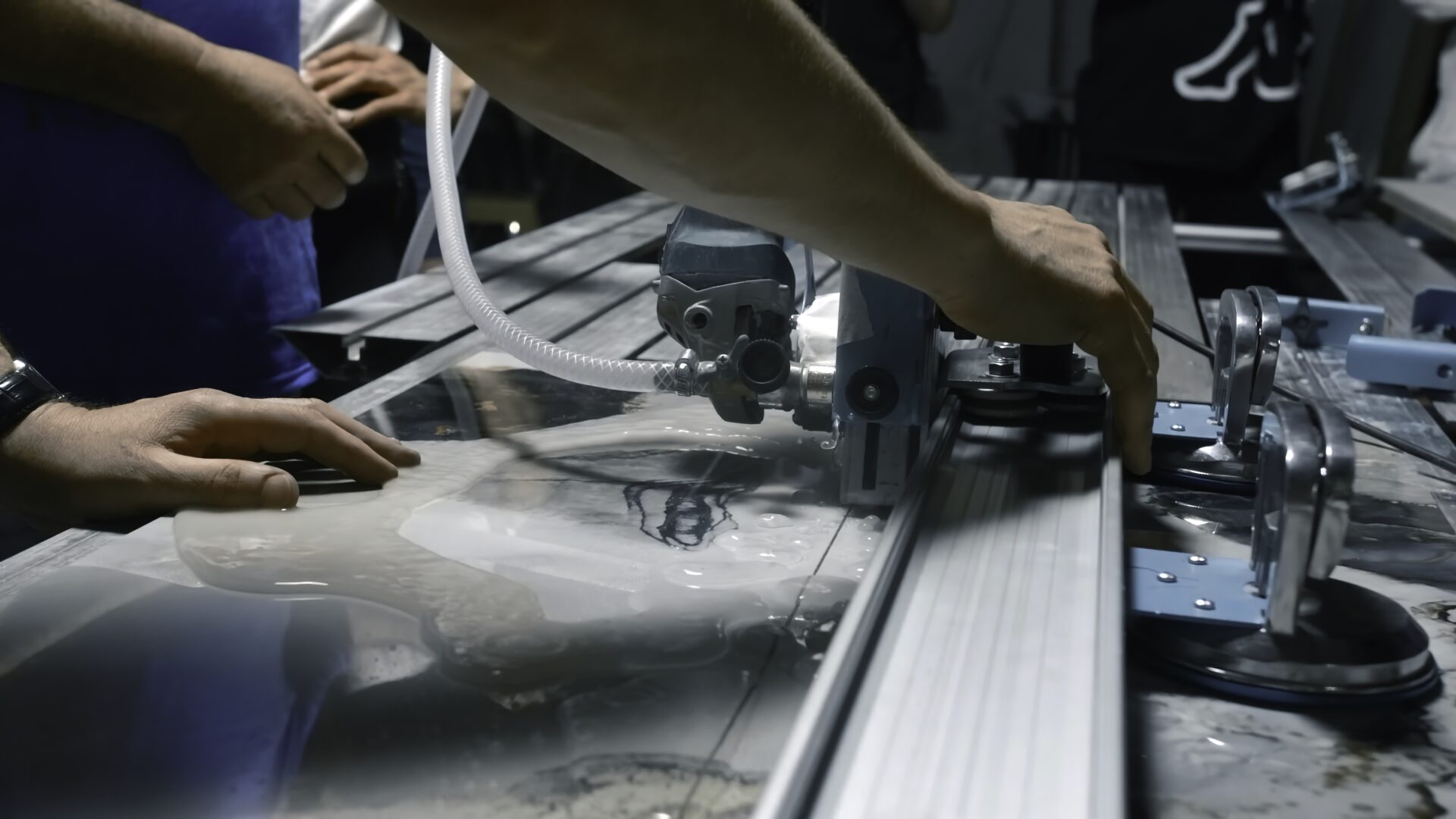
- CNC Waterjet Table – The flatbed system where materials are placed for cutting.
- Kerf Width – The thickness of the cut, often less than 1mm for waterjets.
- Taper Control – Software that adjusts nozzle angles to minimize edge taper.
- 5-Axis Cutting – Allows bevels, countersinks, and angled edges.
- CAD/CAM Software – Converts design files into precise cutting paths.
- Nesting Efficiency – Arranging parts closely to reduce scrap material.
- Piercing – The initial penetration of material before cutting begins.
- Flow Rate – The volume of water and abrasive mix per minute.
Applications Across Industries
Aerospace
Waterjet cutting is used to fabricate high-precision parts from titanium, aluminum, and composites without introducing heat that could weaken components.
Automotive
Manufacturers rely on waterjet cutting for prototype parts, interior components, and even decorative metal trim.
Architecture and Interior Design
Waterjet technology enables intricate designs in stone, tile, and glass for custom flooring, wall inlays, and signage.
Manufacturing and Fabrication
From machine parts to custom brackets, waterjet cutting provides the flexibility needed for low-volume and high-volume production runs.
Food Industry
Pure waterjets slice delicate items like frozen meat, cakes, and vegetables without cross-contamination or blade wear.
Custom Signage
At D&B Fabrication Plus, Inc. we use waterjet cutting for detailed, eye-catching metal signs.
Limitations and Considerations
While waterjet cutting is extremely versatile, there are a few factors to keep in mind:
- Cutting Speed: Generally slower than plasma or laser for thin metals.
- Operational Costs: Garnet abrasive and high-pressure pumps require ongoing maintenance.
- Thickness Limits: While waterjets can cut up to 12 inches thick, speeds slow considerably on extreme thicknesses.
- Material Handling: Large or heavy sheets may require additional lifting equipment.
Choosing the Right Waterjet Cutting Service
Not all waterjet services are equal. When evaluating providers, consider:
- Experience with Your Material – Cutting aluminum requires different parameters than cutting granite.
- Machine Capabilities – Ensure they have the right table size, pump pressure, and cutting head technology.
- Precision Requirements – Ask about tolerances and taper control systems.
- Software Compatibility – They should be able to work with your CAD files and nesting requirements.
- Turnaround Time – A well-equipped shop can process jobs faster without compromising quality.
- Customer Reviews and Portfolio – Look for proven results in similar projects.
Future of Waterjet Cutting
As technology advances, expect waterjet systems to become even more efficient and accurate. Developments in pump design are reducing energy consumption while maintaining ultra-high pressures. Automation and robotics integration are making multi-axis cutting more accessible. Additionally, abrasive recycling systems are lowering material costs and environmental impact.
Get Waterjet Cutting Projects Done at D&B Fabrication Plus, Inc.
If you’ve been asking yourself what is waterjet cutting, the answer is simple: it’s one of the most precise, versatile, and environmentally friendly cutting methods available today. From aerospace components to custom signage, waterjet technology offers unmatched flexibility without the heat damage of traditional cutting methods.
Whether you need intricate patterns in glass, precision-cut metal parts, or one-of-a-kind architectural features, choosing a skilled provider is key.
At D&B Fabrication Plus, Inc., we bring years of experience, advanced CNC waterjet equipment, and a passion for craftsmanship to every project. From concept to completion, we deliver the accuracy and finish your designs deserve. Contact us today to discuss your next waterjet cutting project.
Leave a Reply