Main Takeaways
- Architectural metal fabrication blends design, engineering, and craftsmanship, creating building elements that are both functional and visually impactful.
- Fabricated metal components such as railings, staircases, panels, and canopies enhance safety, durability, and overall building performance.
- Common materials like steel, stainless steel, aluminum, brass, and bronze are chosen based on strength, appearance, and environmental conditions.
- Precision and skilled workmanship are critical, ensuring fabricated metal fits correctly, meets safety codes, and maintains clean architectural lines.
- Custom architectural metal fabrication allows for unique, project-specific designs, offering flexibility that standard components cannot match.
- Proper finishes and coatings extend the lifespan of metal features, protecting against corrosion while reducing long-term maintenance needs.
- Working with an experienced fabrication partner improves project outcomes, supporting collaboration, compliance, sustainability, and long-term property value.
Buildings are more than walls and roofs. They are spaces where people live, work, and gather. One of the most important elements shaping how a building looks and performs is architectural metal fabrication. From stair railings and canopies to decorative panels and structural accents, fabricated metal plays a major role in modern construction.
Architectural metal fabrication blends design, engineering, and craftsmanship. It allows architects and builders to turn creative ideas into durable, functional features. Whether the goal is a bold visual statement or long lasting structural support, metal fabrication offers flexibility that few other materials can match.
This article explains what architectural metal fabrication is, how it works, where it is used, and why choosing the right fabrication partner matters.
What Is Architectural Metal Fabrication
Architectural metal fabrication is the process of cutting, shaping, welding, and finishing metal components that are used in buildings. Unlike basic metal parts, these components are designed to be visible and often serve both functional and aesthetic purposes.
Fabricated architectural metal can include items such as handrails, staircases, gates, screens, awnings, and decorative panels. These elements must meet safety codes while also supporting the overall design of the building.
This type of fabrication requires precision, experience, and close coordination with architects, contractors, and property owners.
Why Architectural Metal Fabrication Is Important in Construction
Architectural metal fabrication adds value in several ways. First, metal is strong and durable. It can support weight, resist weather, and last for decades when properly maintained.
Second, metal allows for creative freedom. It can be shaped into clean modern lines or detailed custom patterns. This flexibility makes it ideal for both residential and commercial projects.
Third, fabricated metal improves building performance. Railings improve safety, sunshades reduce heat, and structural metal components add stability.
When design and performance matter, architectural metal fabrication becomes essential.
Common Metals Used in Architectural Applications
Different metals are chosen based on appearance, strength, and environmental conditions.
Steel
Steel is one of the most common materials in architectural metal fabrication. It is strong, versatile, and cost effective. Steel is often used for staircases, frames, and structural elements.
Stainless Steel
Stainless steel resists corrosion and has a clean, modern look. It is often used in railings, commercial buildings, and high traffic areas.
Aluminum
Aluminum is lightweight and resistant to rust. It is commonly used for panels, canopies, and decorative features.
Brass and Bronze
These metals are often chosen for decorative accents. They develop a natural patina over time, adding character and warmth to architectural designs.
The Architectural Metal Fabrication Process
Understanding the fabrication process helps explain why skilled craftsmanship is so important.
Design and Planning
The process begins with design drawings and specifications. Fabricators review architectural plans to understand dimensions, materials, and performance requirements.
Material Selection
The right metal is selected based on strength needs, exposure to weather, and desired appearance.
Cutting and Shaping
Metal is cut using tools such as lasers, plasma cutters, or saws. Components are then bent or formed to match design specifications.
Welding and Assembly
Individual pieces are welded together to create the final structure. Skilled welding ensures strength and clean finishes.
Finishing
Finishing includes sanding, polishing, painting, or applying protective coatings. This step affects both appearance and durability.
Custom vs Standard Architectural Metal Fabrication
Not all fabrication projects are the same. Some use standard designs, while others require fully custom solutions.
Standard Fabrication
Standard metal components follow common designs and dimensions. These are often used when budgets are tight or designs are simple.
Custom Fabrication
Custom architectural metal fabrication is designed specifically for a project. This allows for unique shapes, finishes, and integration with the building’s design.
Custom work requires more collaboration but delivers a one of a kind result.
Where Architectural Metal Fabrication Is Used
Architectural metal fabrication is used in a wide range of building types.
Commercial Buildings
Office buildings, retail centers, and hotels use fabricated metal for staircases, railings, facades, and signage.
Residential Properties
Homes use architectural metal for gates, balconies, handrails, and decorative features.
Public Spaces
Schools, parks, and transportation hubs rely on metal fabrication for safety features and long term durability.
Industrial Facilities
Even industrial buildings use architectural metal for functional yet visually organized layouts.
The Role of Precision in Metal Fabrication
Precision is critical in architectural metal fabrication. Small measurement errors can lead to installation problems, safety issues, or costly rework.
Fabricators must follow strict tolerances and quality control processes. Accurate measurements ensure that fabricated components fit perfectly on site.
Precision also affects appearance. Clean lines and smooth finishes reflect the quality of craftsmanship.
Safety and Code Compliance in Architectural Metal Fabrication
Safety is a top priority. Fabricated metal elements must meet building codes and safety standards.
Railings must meet height requirements. Staircases must support required loads. Materials must meet fire resistance and durability standards.
Experienced fabricators understand these requirements and incorporate them into every project.

Finishes and Coatings That Extend Metal Life
Finishing is not just about looks. It protects metal from corrosion, wear, and environmental damage.
Common finishes include powder coating, galvanizing, and paint systems. These coatings improve durability and reduce maintenance needs.
Choosing the right finish depends on where the metal will be installed and how it will be used.
How Architectural Metal Fabrication Supports Sustainable Design
Metal fabrication supports sustainability in several ways.
Metal is recyclable. Many fabricated components use recycled materials. Durable metal components also reduce the need for replacement.
Energy efficient designs such as sunshades and screens can reduce heating and cooling costs.
Sustainable architectural metal fabrication aligns with modern building goals.
Collaboration Between Fabricators and Designers
Successful projects require collaboration. Fabricators work closely with architects and engineers to ensure designs are practical and buildable.
Early involvement of a fabrication team can identify potential challenges and reduce delays.
Clear communication helps deliver a final product that matches the original vision.
Challenges in Architectural Metal Fabrication Projects
Every project has challenges. Tight timelines, complex designs, and site conditions can complicate fabrication.
Weather exposure, structural integration, and transportation logistics also require careful planning.
Experienced fabricators anticipate these challenges and plan solutions before issues arise.
Why Experience Matters in Architectural Metal Fabrication
Experience impacts quality, safety, and efficiency.
Skilled fabricators understand how different metals behave. They know how to balance strength, appearance, and cost.
Experience also leads to better problem solving and smoother project execution.
Choosing an experienced partner reduces risk and improves results.
Maintenance of Architectural Metal Features
While metal is durable, it still requires maintenance.
Regular inspections help identify wear or corrosion early. Cleaning and touch up coatings extend the life of fabricated components.
Proper maintenance preserves both appearance and structural integrity.
How Architectural Metal Fabrication Enhances Property Value
Well designed metal features improve curb appeal and functionality.
Custom railings, entryways, and accents create a strong first impression. Durable materials reduce long term repair costs.
These benefits contribute to higher property value and long lasting performance.
Architectural Metal Fabrication Is Both Art and Engineering
Architectural metal fabrication combines creativity and technical skill.
Each project requires careful planning, skilled hands, and attention to detail. The result is a structure that looks good and performs well.
From modern designs to classic styles, fabricated metal adapts to many architectural needs.
Work With D & B Fabrication Plus, Inc. for Architectural Metal Fabrication
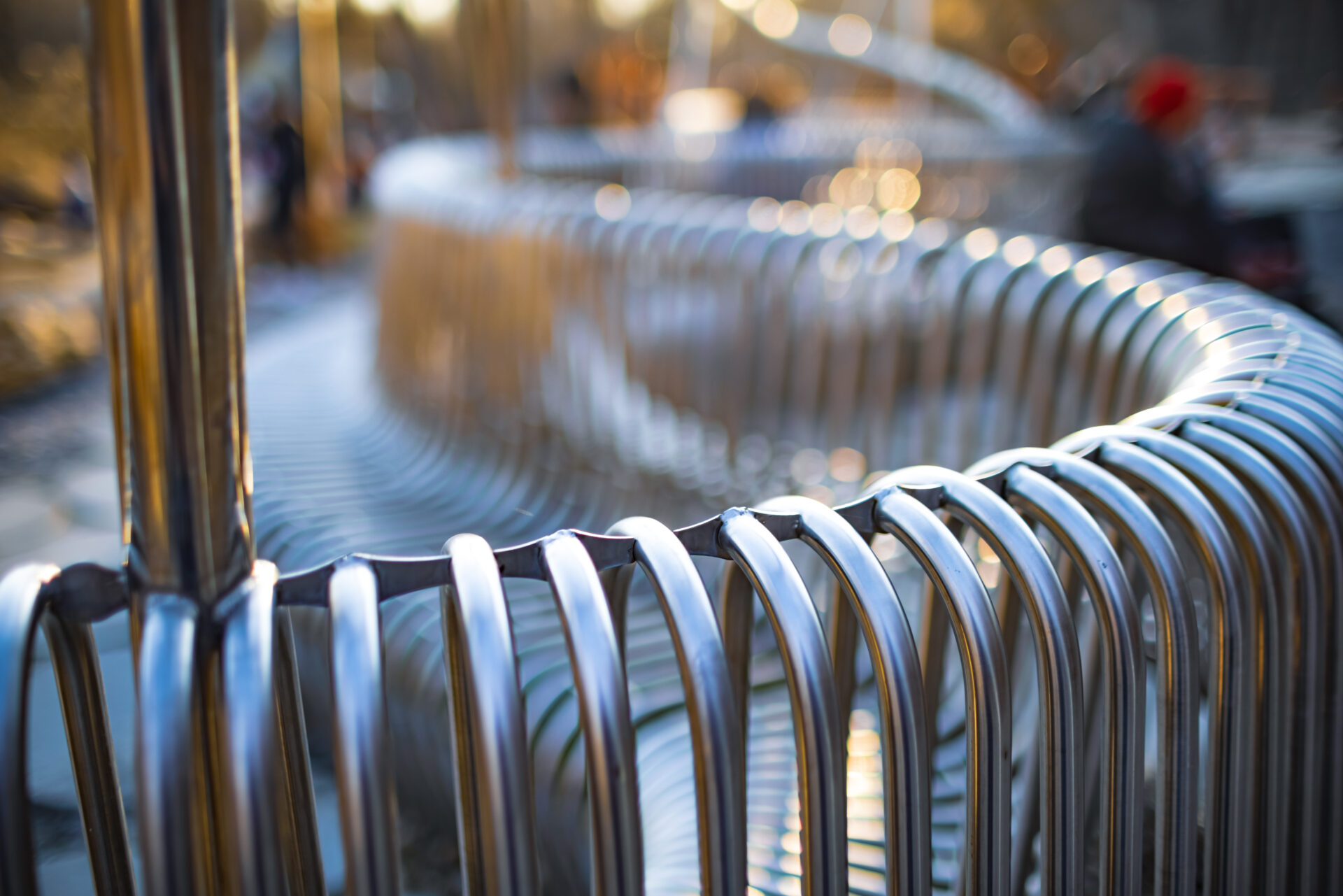
Architectural Metal Fabrication by D & B Fabrication Plus, Inc.
When quality, precision, and craftsmanship matter, D & B Fabrication Plus, Inc. delivers trusted architectural metal fabrication solutions. Their experienced team works closely with architects, builders, and property owners to create custom metal features that are both functional and visually striking.
From design support to fabrication and finishing, D & B Fabrication Plus, Inc. is committed to meeting project goals on time and with exceptional quality. Whether your project is commercial, residential, or industrial, their expertise ensures reliable results.
Contact D & B Fabrication Plus, Inc. today to discuss your architectural metal fabrication needs and turn your design vision into a lasting reality.
Leave a Reply